
Har Ki Dun Trek Package: Best Guide
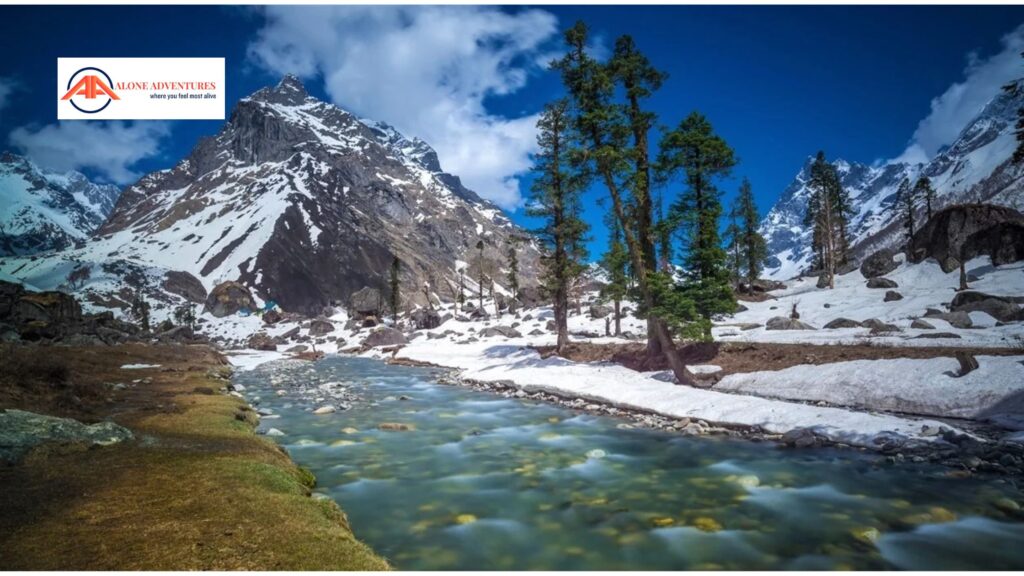
Have you ever dreamed of walking through a valley where snow-clad peaks rise dramatically against the sky, where streams cut through green meadows, and where tiny wooden villages tell stories from centuries past? That’s exactly what the Har Ki Dun Trek offers.
Known as the “Valley of Gods,” Har Ki Dun is one of the most scenic trekking routes in the Garhwal Himalayas of Uttarakhand INDIA. It’s the perfect balance of adventure, culture, and natural beauty. Whether you are new to trekking or already an experienced explorer, this journey has something unforgettable for everyone.
At Alone Adventures, we have carefully designed a Har Ki Dun Trek Package that combines well-planned logistics, professional guidance, and responsible travel practices. This blog will walk you through everything you need to know — the highlights, itinerary, fitness requirements, costs, best time to go, and why traveling with Alone Adventures makes all the difference.
Har Ki Dun Trek Itinerary (7 Days / 6 Nights)
We keep the itinerary structured yet flexible, so you get the full Himalayan experience without feeling rushed.
Day 1 – Dehradun to Sankri
Your journey begins with a scenic drive from Dehradun to Sankri, about 220 km. The route passes through Mussoorie, winding roads, pine forests, and river valleys. You’ll reach Sankri by evening, where you can rest and enjoy the first taste of mountain life.
Day 2 – Sankri to Taluka, Trek to Puwani Garaat
After a short drive to Taluka, the trek begins. Following the Supin River, the trail takes you through forests and streams before reaching the campsite at Puwani Garaat. It’s about 12 km of trekking today, giving you the first real sense of adventure.
Day 3 – Puwani Garaat to Kalkatiyadhaar via Osla
This day is a mix of cultural and natural highlights. You’ll pass through Osla, a famous village with unique wooden architecture and folklore linked to the Mahabharata. From here, the trail climbs gradually to Kalkatiyadhaar, your campsite for the night.
Day 4 – Kalkatiyadhaar to Har Ki Dun Valley
This is the highlight of the trek. A 5 km walk takes you to Har Ki Dun Valley, where breathtaking views of Swargarohini and other peaks welcome you. The valley is wide, peaceful, and feels untouched by time. Spend the day exploring, taking photos, and soaking in the views.
Day 5 – Har Ki Dun to Puwani Garaat
After an early breakfast, you’ll retrace your steps, but the valley looks different when seen in reverse. The descent is easier, and by evening you’ll be back at Puwani Garaat.
Day 6 – Puwani Garaat to Taluka, Drive to Sankri
The final trekking stretch takes you back to Taluka, where vehicles will drive you to Sankri. It’s a day of goodbyes to the trail but also celebration of completing an incredible journey.
Day 7 – Sankri to Dehradun
After breakfast, you’ll drive back to Dehradun with a camera full of photos, new friends, and memories to last a lifetime.
Trek Difficulty, Fitness & Preparation
The Har Ki Dun Trek is considered easy to moderate. You don’t need prior trekking experience, but you should be able to walk comfortably for several hours with a backpack.
Fitness tips:
- Jog, cycle, or walk 4–5 km regularly before the trek.
- Practice stair climbing with a backpack to build endurance.
- Strengthen your legs with squats and lunges.
Since the trek reaches around 12,000 ft, altitude can be a factor. Walk slowly, stay hydrated, and let your body adjust naturally.
Cost of Har Ki Dun Trek Package
At Alone Adventures, we believe in transparency. Our Har Ki Dun Trek Package costs ₹11,500 + 5% GST per person.
Inclusions:
- Transport from base location (Sankri)
- Experienced guide and trek leader
- All vegetarian meals (from Day 1 dinner to Day 7 brunch)
- Camping equipment (tents, sleeping bags, mats)
- Permits, entry fees, and forest charges
- Support staff like cook, helpers, and porters for equipment
Exclusions:
- Travel to and from Dehradun
- Personal expenses (medicines, tips, etc.)
- Mule or porter for personal luggage (available at extra cost)
- Insurance or emergency evacuation if required
This clarity helps trekkers plan better and avoids surprises later.
Best Time to Do Har Ki Dun Trek
The trek is best done in two main seasons:
- Summer (April to June): Snow starts melting, flowers bloom, and the weather is pleasant.
- Post-Monsoon (September to October): The skies are crystal clear, making mountain views sharper.
Avoid July and August because of heavy monsoon rains, which can make the trail slippery and prone to landslides.
Why Trek with Alone Adventures?
With so many operators out there, why choose us?
- Experienced Guides: Our trek leaders know every corner of the trail and are trained in safety and first aid.
- End-to-End Support: We handle permits, camps, food, and logistics so you can just focus on enjoying the trek.
- Small Groups: We believe in quality over quantity, keeping groups small for personal attention.
- Sustainable Travel: We minimize waste, respect the environment, and support local communities.
- Transparent Pricing: No hidden charges, no last-minute surprises.
When you book with Alone Adventures, you’re not just signing up for a trek — you’re joining a community that cares about your experience.
Packing Tips for Har Ki Dun
To make the most of your trek, carry the right gear.
Clothing:
- Warm layers (thermals, fleece, jacket)
- Trek pants and quick-dry t-shirts
- Woollen cap, gloves, and socks
- Rain jacket / poncho
Gear:
- Sturdy trekking shoes
- Backpack with rain cover
- Trekking poles
- Sleeping bag (provided, but carry personal liner if preferred)
Other Essentials:
- Water bottles and purification tablets
- Sunglasses and sunscreen
- Headlamp with spare batteries
- Personal medicines
- Snacks like dry fruits, chocolates, and energy bars
Remember: travel light but don’t skip essentials.
Frequently Asked Questions
1. What is the trek distance?
The total trekking distance for the Har Ki Dun Trek Package is around 44 kilometers, spread across six trekking days. Each day involves walking between 5 to 12 kilometers depending on the trail section. The distance is planned in such a way that trekkers have enough time to rest, enjoy the scenery, and gradually adjust to the altitude. It’s a comfortable pace for those who want to experience the journey without feeling rushed.
2. Is it beginner-friendly?
Yes, the Har Ki Dun trek is considered beginner-friendly, making it one of the best Himalayan treks for those who are just starting their trekking journey. The trails are moderate in difficulty, with gentle ascents and descents, and no technical climbing is required. If you maintain basic fitness — such as being able to walk for a few hours and climb stairs comfortably — you will find the trek very doable. Our guides provide constant support and ensure that beginners feel safe and confident throughout.
3. Will there be snow?
Depending on the season, you can expect to encounter snow during the trek. In April and May, patches of melting snow remain on the higher sections of the trail, creating a magical contrast with blooming flowers and green meadows. In October, fresh snow often begins to cover the valley, giving the landscapes a sparkling white layer. Trekking in snow adds to the charm, and our team ensures you have the right guidance to walk safely in such conditions.
4. Is mobile network available?
Mobile network connectivity is extremely limited during the trek. You may get some signal at Sankri, the base village, but once you move towards Taluka and deeper into the valley, the chances of catching a signal are very low. This is why trekkers should inform their families in advance about limited communication. We treat this digital detox as a positive part of the experience — allowing you to stay fully present in nature, away from everyday distractions.
5. What’s the maximum altitude?
The Har Ki Dun trek takes you to a maximum altitude of around 12,000 feet (approximately 3,650 meters). While this is not extremely high compared to other Himalayan expeditions, it is still significant enough to require acclimatization. Our itinerary is designed to help your body gradually adapt to the elevation, reducing the chances of altitude sickness. The reward for reaching this altitude is breathtaking panoramic views of the Swargarohini range and surrounding peaks.
6. Do you provide equipment?
Yes, as part of the Har Ki Dun Trek Package, Alone Adventures provides all essential camping equipment, including tents, sleeping bags, and mats. The gear is regularly inspected and maintained to ensure safety, comfort, and hygiene. We also carry cooking equipment, group supplies, and other logistics so that you don’t need to worry about heavy loads. All you need to bring is your personal backpack with clothes, shoes, and small essentials. For trekkers who prefer extra comfort, options to hire additional gear or personal porters are also available.
Conclusion
The Har Ki Dun Trek Package with Alone Adventures is more than just a trek — it’s a journey into one of the most beautiful and culturally rich valleys of the Himalayas. With professional support, transparent pricing, and a focus on sustainability, we ensure your adventure is safe, enjoyable, and memorable.
So, are you ready to walk through the Valley of Gods? Pack your bags, lace up your shoes, and let Alone Adventures guide you to the heart of the Himalayas.